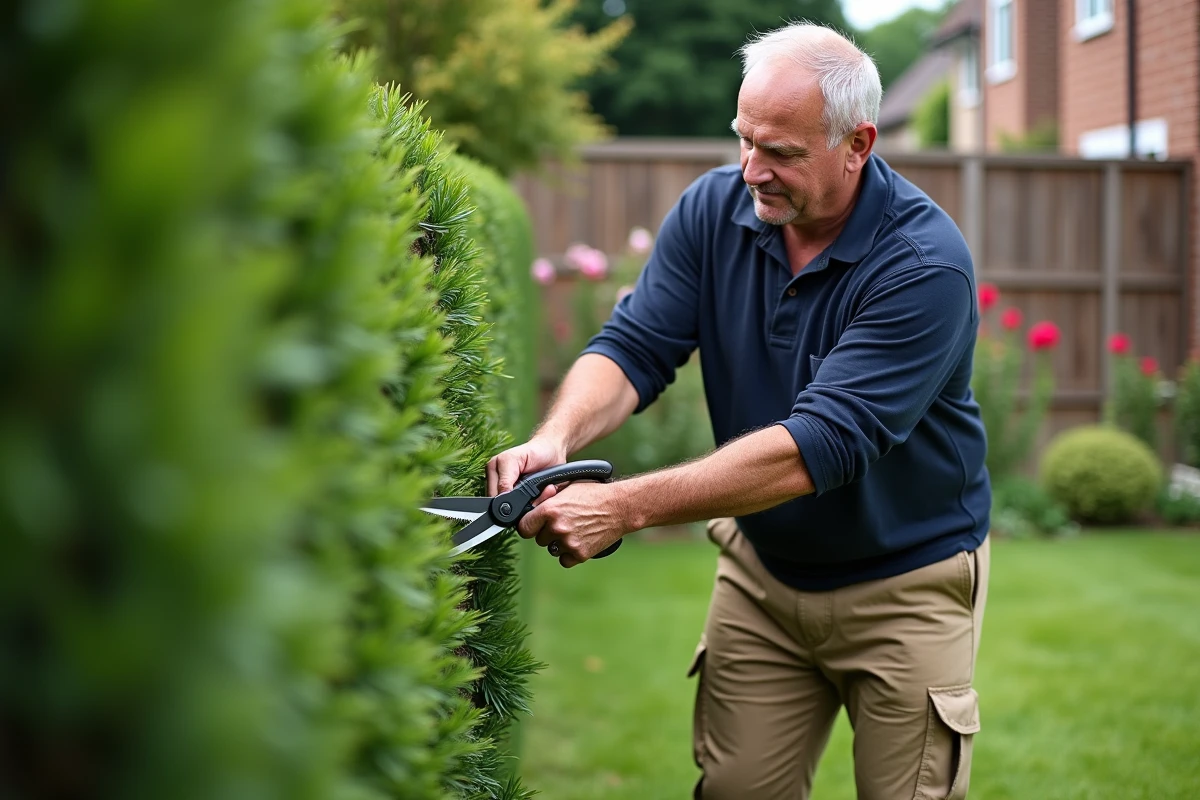
A poorly thought-out size does not forgive: it accelerates the aging of hedges, multiplies bare spots, and allows dry branches to settle in. The common belief that one should cut often, almost mechanically, undermines the density and vitality of shrubs. Some plants, far from sticking to the standard calendar, benefit from being pruned at the wrong time, proving that nature does not always conform to the habits of gardeners.
Using an ill-suited tool risks irreparably damaging the branches, exposing the hedge to diseases, and compromising its vigor. Betting on a method tailored to the rhythm of each species, on the contrary, makes the best use of natural growth and limits subsequent corrections.
Why hedge trimming changes everything in the garden’s balance
The hedge is not just a border: it structures the space, modulates light, and sets the tone for the entire garden. Mastering hedge trimming means playing with shape, density, root strength, but also with the amount of light reaching each plant. With each well-placed cut, new shoots thrive, foliage densifies, and overall health improves. A precise, thoughtful gesture limits disease hotspots and protects hedges over time.
Proper trimming has a direct effect on sunlight exposure: light is distributed better, photosynthesis occurs everywhere, from the top to the base. Spring-flowering shrubs prefer to be trimmed just after the last flower, while those that bloom in summer or autumn can wait a bit longer. Respecting the right period for each species guarantees generous flowering and robust shrubs.
Maintaining a hedge is not just about aesthetics: it provides a backbone to the garden, organizes spaces, creates shelters for wildlife, cuts the wind, or preserves privacy. A well-maintained hedge promotes biodiversity, protects the soil, and enriches the entire landscape. The advice gathered on sculpte-haie.com, particularly in the comparative guide on battery-operated hedge trimmers, helps to sort through needs, species, and terrain constraints.
Here are some guidelines to adapt your actions:
- For evergreen hedges: a gentle trim in spring is enough to maintain the shape.
- For flowering hedges: adapt the cut to the flowering period to avoid sacrificing upcoming flowers.
- To limit the spread of diseases: remember to disinfect the blades between each use.
What gestures and tools to prioritize for a healthy and aesthetic hedge?
Maintaining an impeccable hedge requires a methodical approach and a wise choice of tools. Electric hedge trimmers for maneuverability, gas-powered for strength, pole models for imposing hedges: each tool has its preferred terrain. It’s up to you to target based on length, accessibility, and the nature of the shrubs.
The electric hedge trimmer is ideal for short or medium hedges: it is lightweight, easy to handle, perfect for regular cuts. When faced with thick branches or a long hedge to tame, the gas-powered trimmer provides the necessary strength. And to reach the heights without risking a fall, the telescopic pole offers the safety and precision expected.
For technique, a golden rule: always start from the bottom to the top. This simple gesture allows the base to capture light better and ensures solid growth from the ground to the top. Topiary enthusiasts know: for clean and stylized shapes, patience, a steady hand, and well-maintained blades are essential.
To care for every detail, here are the best practices to keep in mind:
- For a professional result: sharpen and clean the blades before each session.
- To limit injuries: favor clean cuts and do not hesitate.
- After each pass: dispose of debris and disinfect tools to avoid contamination.
It is the balance between the chosen tool, the precision of the gesture, and the knowledge of the hedge’s specifics that makes all the difference.
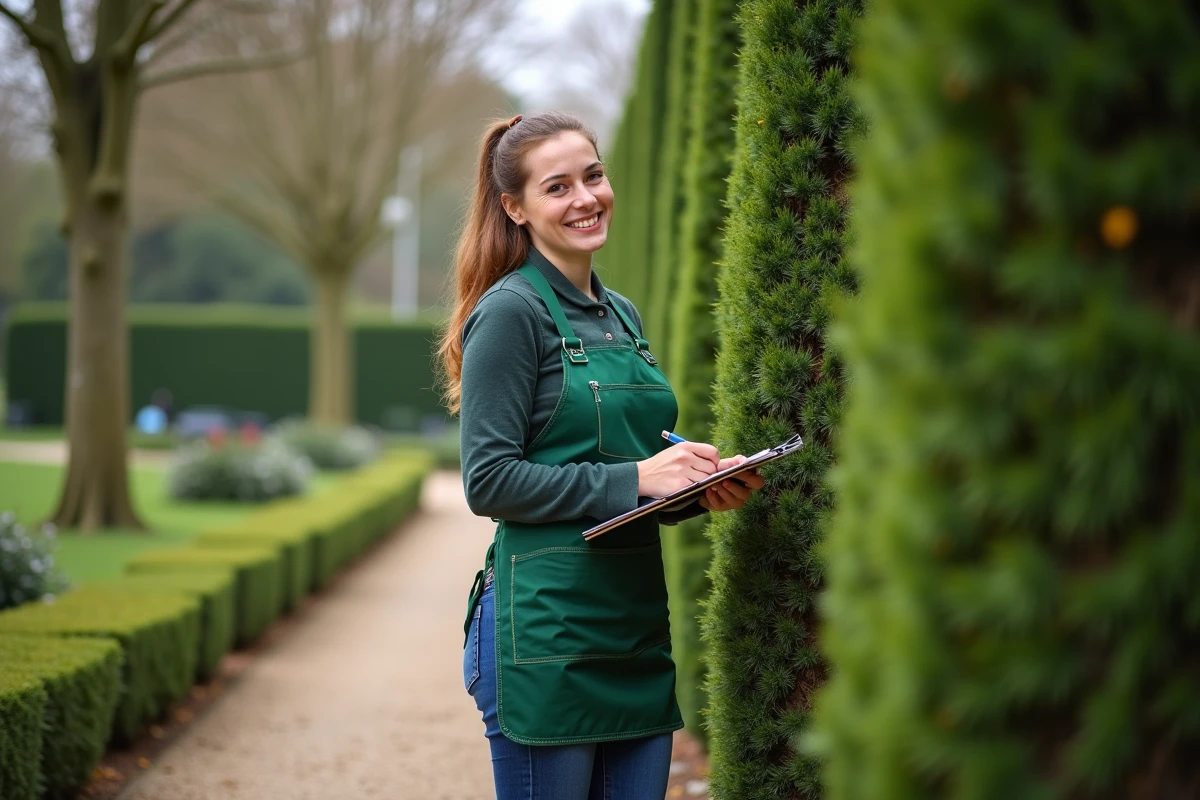
Expert advice and pro tips for sculpting your hedges without missteps
Giving a proud look to a hedge is not just about knowing how to handle the hedge trimmer: it requires observation, understanding the garden’s dynamics, respecting regrowth, and preserving the health of the shrubs. Before cutting, check the weather, avoid frost and rain, and identify the ideal period according to the species. Summer-flowering shrubs are trimmed in spring; those that bloom early require intervention as soon as flowering ends.
The professional’s gesture avoids haste: each branch is cut while preserving its natural shape, slightly widening the base to allow light to penetrate everywhere. This attention limits diseases and preserves vigor, even for tall hedges. To sculpt precise shapes, stretch a string or use a wooden template: regularity is achieved through preparation, not improvisation.
Here are the reflexes to adopt to keep hedges impeccable:
- Thoroughly clean each tool between trims to limit the spread of diseases.
- Avoid trimming when the foliage is wet: moisture facilitates fungal infections.
- After each cut, collect all residues to avoid attracting pests.
Observation remains your best ally: monitor the hedge’s vigor, spot signs of fatigue, and adapt your techniques to each situation. The secrets of successful trimming lie in respecting the natural rhythm, mastering tools, and the ability to read the language of plants. A well-maintained hedge means an entire garden that breathes and flourishes, season after season.