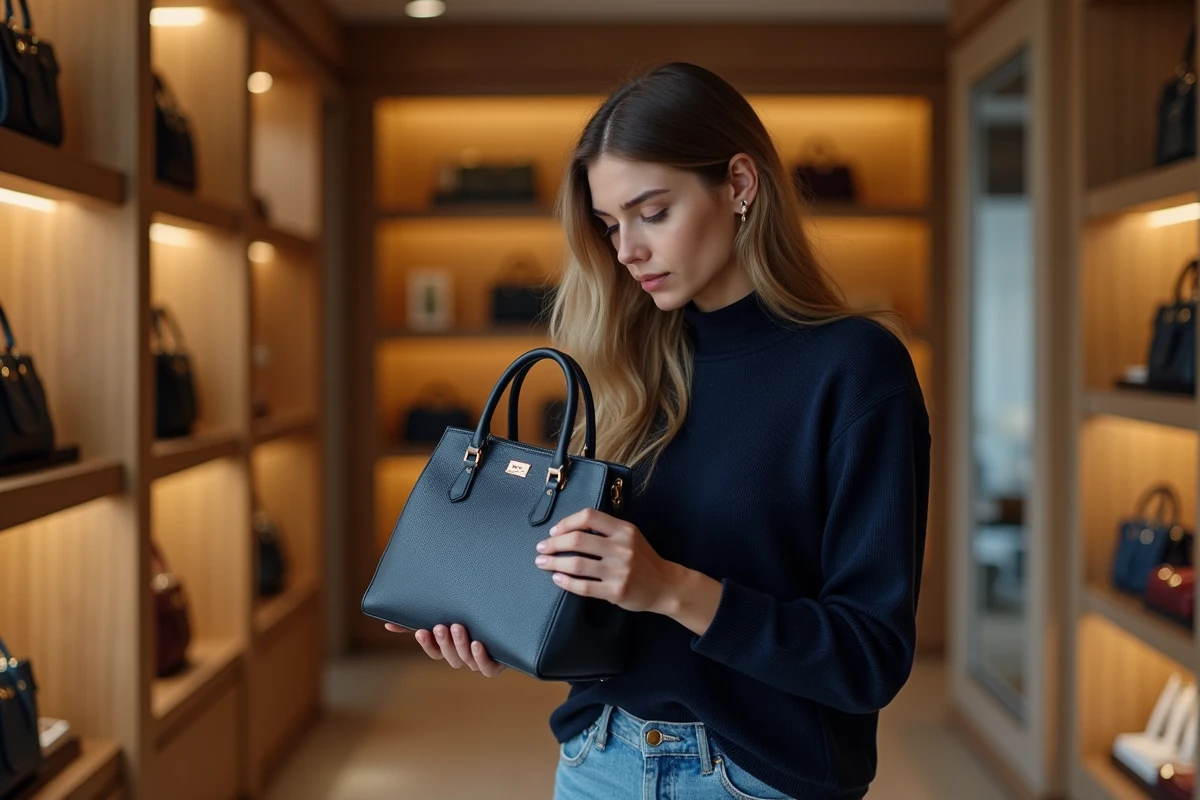
Every year, thousands of Tommy Hilfiger bags change hands without ever having crossed the slightest official production line. Counterfeiters are becoming bolder, perfectly imitating logos, colors, and finishes. Yet, often, the deception slips into the shadows of a clumsy stitch, a poorly attached label, or a soulless zipper. But the disappointment doesn’t stop there. For the buyer, the price to pay goes beyond the simple loss of illusion: no guarantee, questionable materials, and sometimes even legal troubles on top. A thoughtful purchase, along with a few targeted checks, is enough to avoid the mishap.
Recognizing the authenticity of a Tommy Hilfiger bag: the decisive clues
Spotting fake items requires a trained eye and attention to the smallest detail. For those who want to go further, there is a detailed guide to distinguish an original Tommy Hilfiger bag. But some signs are unmistakable. First clue: the logo. It always expresses itself with precision, without smudging, with bold colors and sharp contours. One deviation in the embroidery, and the alarm should sound.
Tommy Hilfiger does not joke around with quality. The materials, whether leather, cotton, or wool, remain impeccable. Run your hand over the fabric: no roughness, no scratchy or plastic feel. On the seams, each stitch is consistent, the tension is right, with no apparent effort. A current detail: the small internal label, often adorned with an individual serial number or a distinctive triangle. This marker must be clearly present, not blurry, not detached.
With the latest models, technology gets involved. A hidden electronic chip or the NFC system can be activated from a smartphone to validate the bag’s origin. If the device detects nothing, it’s better to end the conversation there. The slightest doubt should lead to consulting the official model sheet for a point-by-point comparison before purchase.
Before finalizing a purchase, you should request clear photos: zippers, labels, linings. The more details the seller is willing to reveal, the more trust is established. This level of demand protects against unpleasant surprises and, in the long run, the reputation of Tommy Hilfiger creations.
Avoiding classic counterfeit traps
Imitators are becoming increasingly sharp, but some traps remain visible to those who know how to observe. Always inquire about the origin. A purchase through the official website or from an authorized retailer already eliminates many risks. Unknown platform, difficult contact, missing legal mentions: all signs to turn on your heels. By checking the address bar, look for the presence of a padlock: this is a minimal security signal, far from being trivial.
The smell of the bag can also betray the copy. An aggressive, plastic, or chemical scent indicates a fake. In contrast, an original smells of leather or fabric, nothing more.
Another indicator: customer service. Only a reliable retailer provides a receipt in your name and remains reachable if there are issues. If that’s not the case, move on.
Here are the reflexes to adopt when buying a Tommy Hilfiger bag to avoid unpleasant surprises:
- Rely on recognized platforms and identified retailers.
- Demand clear photos of all critical details: labels, seams, interior.
- Reject any offer that seems too advantageous, a classic sign of counterfeiting.
Implementing these checks protects against disappointment and confirms that you are truly investing in the quality defended by Tommy Hilfiger.
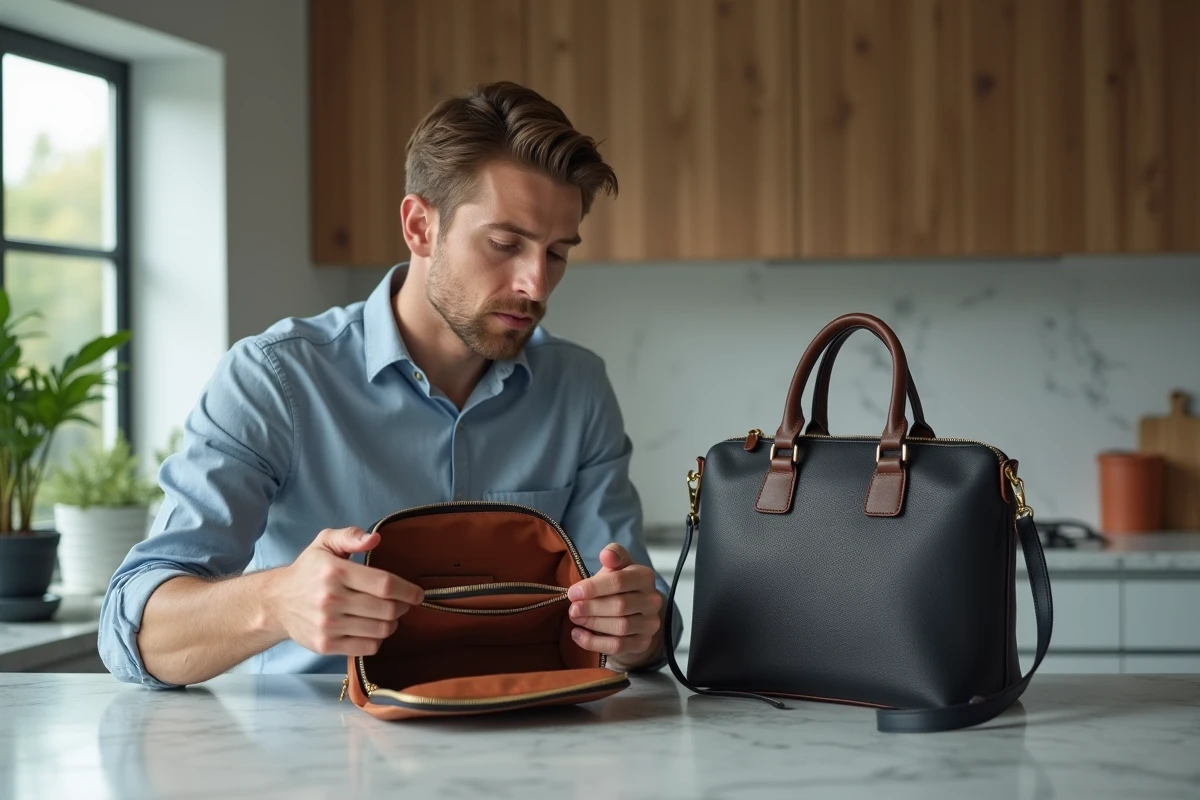
The experience and the brand against fakes: consequences at all levels
Buying an authentic Tommy Hilfiger bag is not just about acquiring a fashion accessory: it is choosing a piece with refined design, destined to last and to transcend seasons. The copy, even convincing at first, quickly deteriorates: leather that marks, irregular seams, details that disappoint from the first uses. Day by day, the gap widens, the sturdiness falters, the creator’s hand disappears behind industrial anonymity.
“Super-counterfeits” abound, but their glory never lasts. A handle that detaches, a stuck zipper, a phantom manufacturer when a problem arises: those who thought they had found a good deal often find themselves caught up in reality. Both emotionally and materially, disappointment sets in.
There is also the other side of the coin. Every fake that circulates damages the reputation built by Tommy Hilfiger. The logo no longer just carries a style, but an entire threatened know-how. For every copied item, entire teams see the credibility of their work trampled.
In summary, the following points illustrate what is truly at stake:
- Counterfeits undermine the identity and image of the brand.
- The buyer loses all guarantees, services, and assurances regarding durability.
- Creators, artisans, and designers pay the price for the expansion of illegal channels.
Ultimately: preferring authenticity is not just about avoiding disappointment. It is about asserting a rare demand in the market and giving meaning to every piece purchased. You no longer just carry a bag: you claim a promise kept, one that time itself does not betray.